The Hope Program


Mental Health Services

In addition to the personality and vocational assessments of each student, The HOPE Program offers these other services:

Stress Management Training: specific strategies to reduce and manage stress, as well as relaxation techniques, are taught and practiced.

Interpersonal Skills Training: students learn to employ and practice more effective interpersonal skills.

Group Counseling: weekly therapy/support groups help students cope with the stress of transitioning into the workforce, as well as all the outside stressors that can affect their ability to participate in the program and their capacity for obtaining and retaining work.

Individual Counseling: short-term counseling is available to all students in the program on a voluntary basis.

Research: in addition to independent research on potential psychological factors that may contribute to difficulty finding and sustaining employment, a new Participatory Action Research (PAR) project is beginning. Mental health staff will partner with students and graduates to study barriers to employment from a shared perspective.


Training Program
training-photo-sm

Work Readiness Instructor, Ramona Bennett, with a student

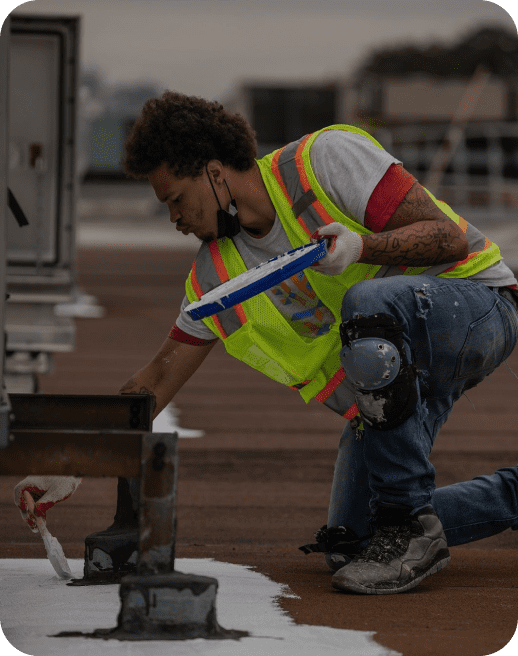
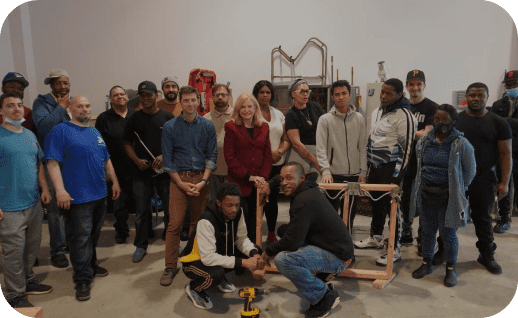
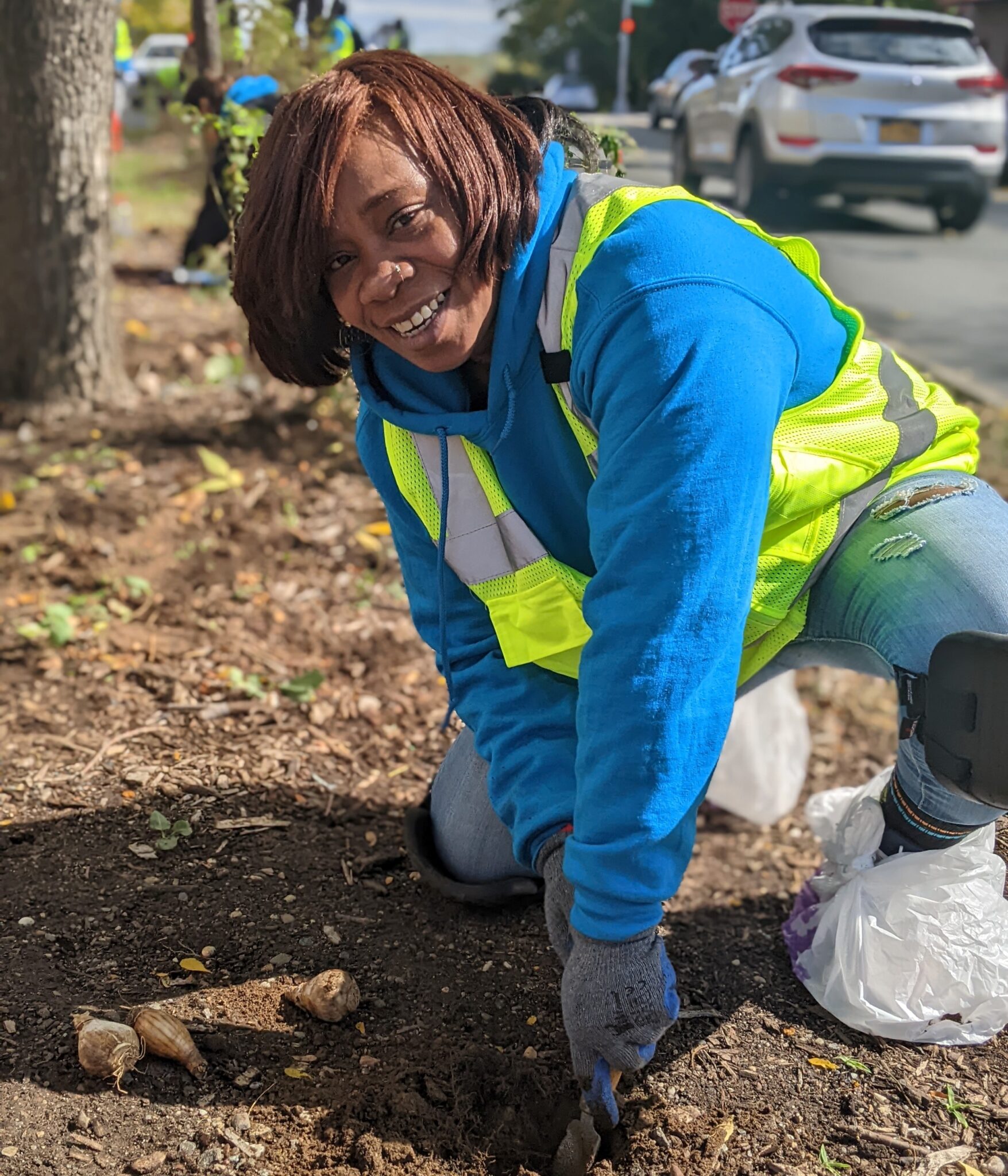
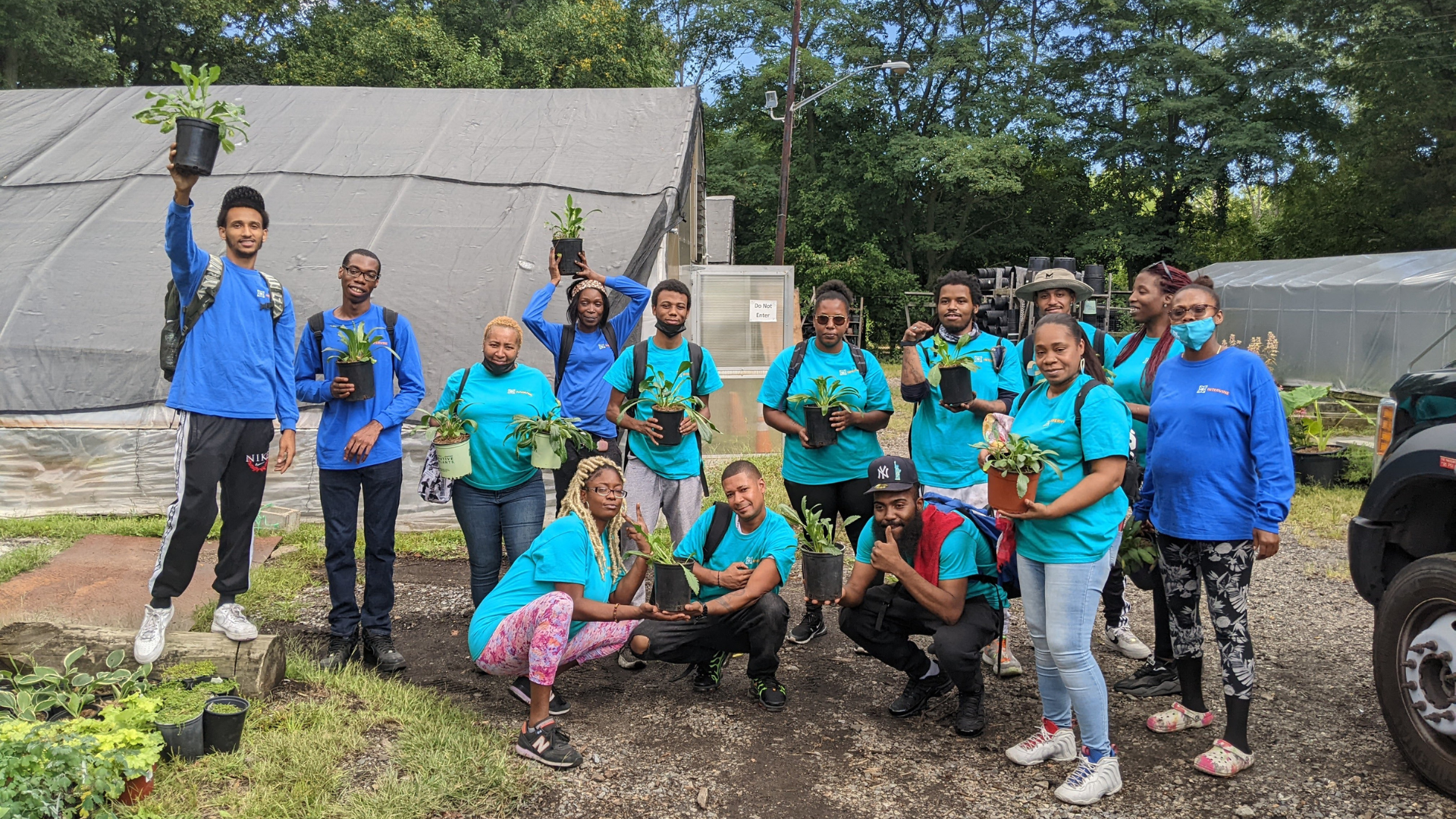
HOPE’s training program is designed to help program participants find, keep, and advance in their jobs. All services are offered for a lifetime.

Read about some of HOPE graduates’ success stories.

Assessment: In order to tailor the program to students individually, each student undertakes an assessment in the first weeks of the program. Included are educational and comprehensive psychosocial assessments. Additionally, the mental health staff conducts an in-depth assessment of psychological strengths, weaknesses, and personality styles, as well as vocational interest and aptitude assessment. All of this information is used to help make realistic and appropriate employment goals for students in the program.

Classroom Training: This is structured around a 9-5, Monday through Friday schedule. Classroom lessons focus on:

  • Developing personal goals and strengthening workplace competencies
  • Enhancing computer skills
  • Filling out job applications, writing cover letters, and creating resumes
  • Conducting successful job searches
  • Preparing for interviews
  • Using office equipment
  • GED and Pre-GED preparation

Work Internships: During the program students are placed in internships, where they test their new skills, gain valuable work experience, and develop references. Over 200 businesses and organizations provide internships for HOPE students.

Job Placement: Students work one-on-one with their Employment Specialist to identify job openings, tailor their resumes, and further prepare for the interview process. Students also attend Job Club meetings, where they share their job search experiences, search for job leads, and send out resumes. HOPE lays the foundation for job placement by maintaining and developing a database of more than 300 employment contacts.

Job Retention and Career Advancement: HOPE continues to work with graduates long after they have found jobs. Components of this phase include:

  • Evening advanced computer and GED classes
  • Individual tutoring sessions
  • Job retention and career advancement workshops

If you are interested in applying to The HOPE Program, please see our calendar for the next Information Session.

For social services organizations that would like to refer a candidate, please complete this referral form and return to Elizabeth Conde.  

On-Site Services

  • Assistance in obtaining:
    • childcare
    • food
    • housing
    • medical benefits
  • Mental health services
  • Food and clothing
  • Tax preparation
  • Financial literacy workshops
  • Legal counseling 


The HOPE Program
One Smith Street
Brooklyn, New York 11201-5111

T: 718.852.9307
F: 718.852.9681